News

What Makes Aluminum Folding Doors Popular in Modern Construction?

2026-08-17 0 Leave me a message

Imagine a villa where the living room opens seamlessly onto a lush garden. There is no wall dividing the two spaces, no bulky door blocking the view. Instead, a series of glass panels glide effortlessly along a track, folding against one another like an accordion, leaving a clear, unobstructed passage. This is not a scene from an architectural dream; it is the reality enabled by aluminum folding doors. In recent years, this product has transitioned from a niche architectural feature to a mainstream element in residential and commercial construction. From luxury homes and penthouse apartments to boutique shops and high-end restaurants, Folding Doors have become a signature of contemporary design. But what exactly explains this surge in popularity?


The answer lies in a convergence of several factors: the relentless pursuit of open, flexible living spaces; the material superiority of aluminum; advancements in thermal insulation technology; and a growing consumer preference for design that integrates indoor and outdoor living. Aluminum Folding Doors, more than just a functional building component, have become an architectural statement. They represent a philosophy of living that values light, space, and connectivity. This article will explore the technical, aesthetic, and practical reasons behind the rise of Folding Doors, examining their impact on modern construction and their potential to shape the future of building design. We will dissect their structure, their technical specifications, their environmental benefits, and the design trends that are pushing the boundaries of what is possible with this remarkable product.

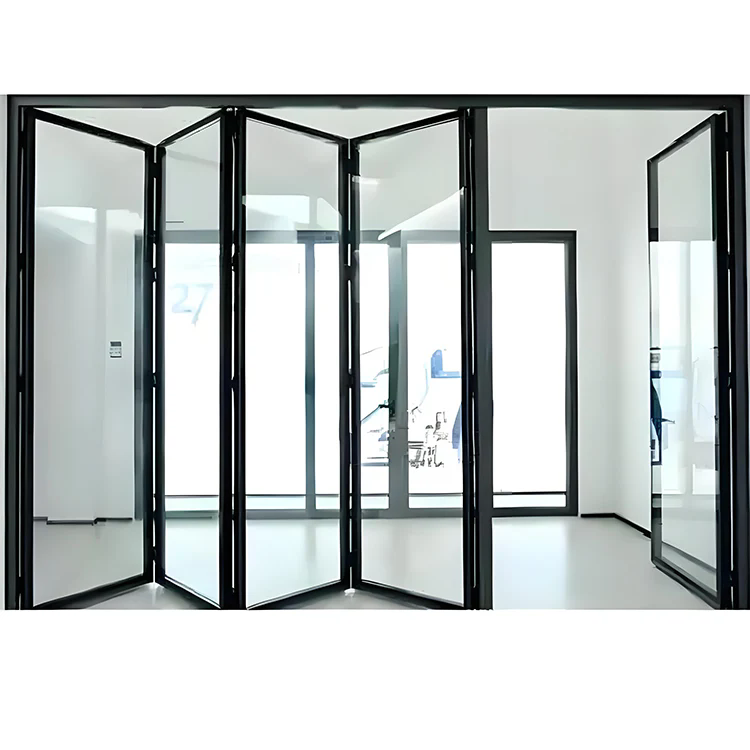
Heavy-Duty Folding Door System


Table of Contents


1. What Are Aluminum Folding Doors and Why Are They Reshaping Modern Architecture?

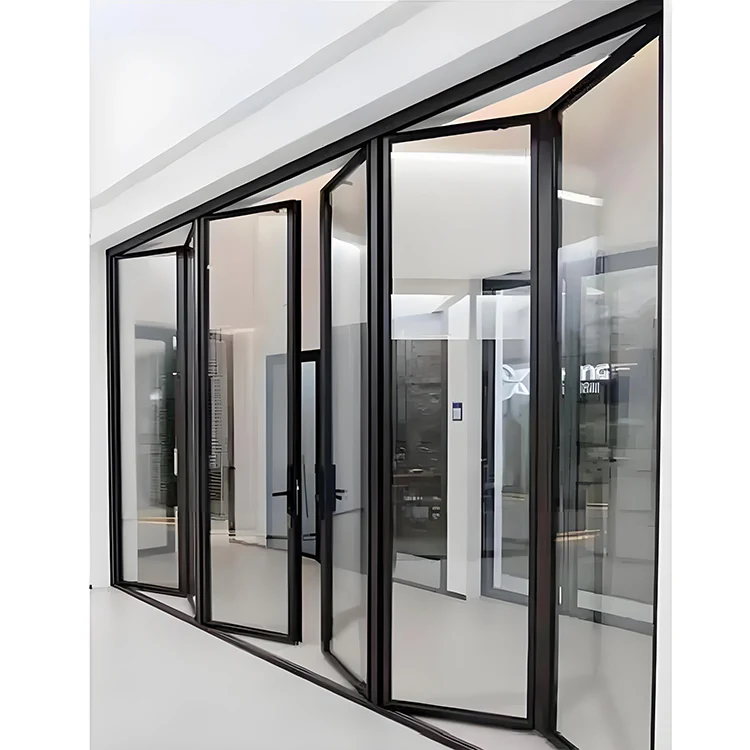
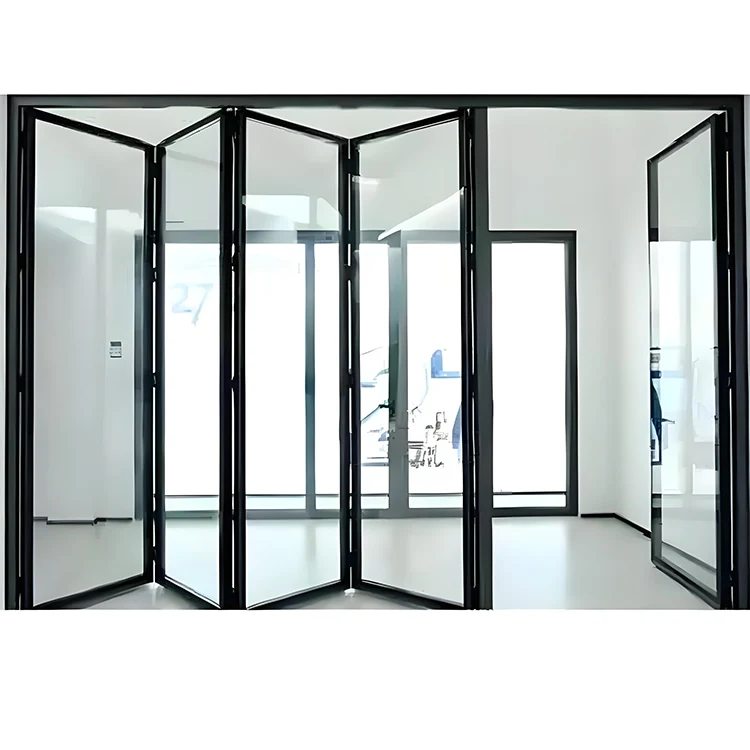
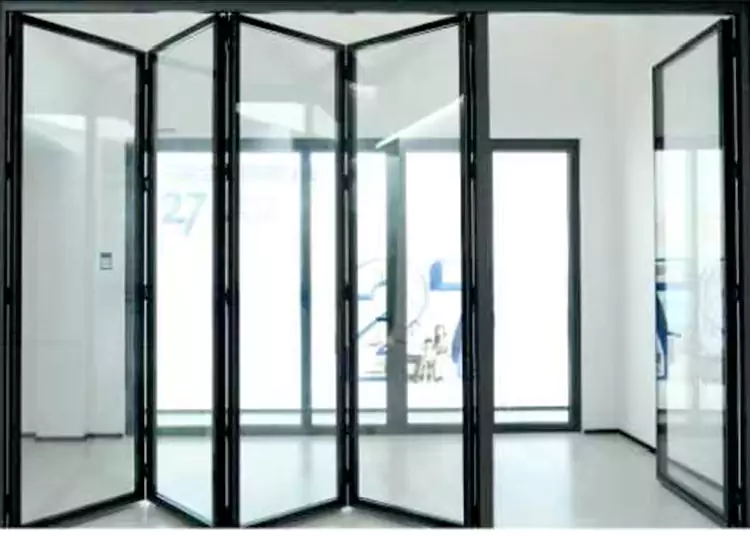
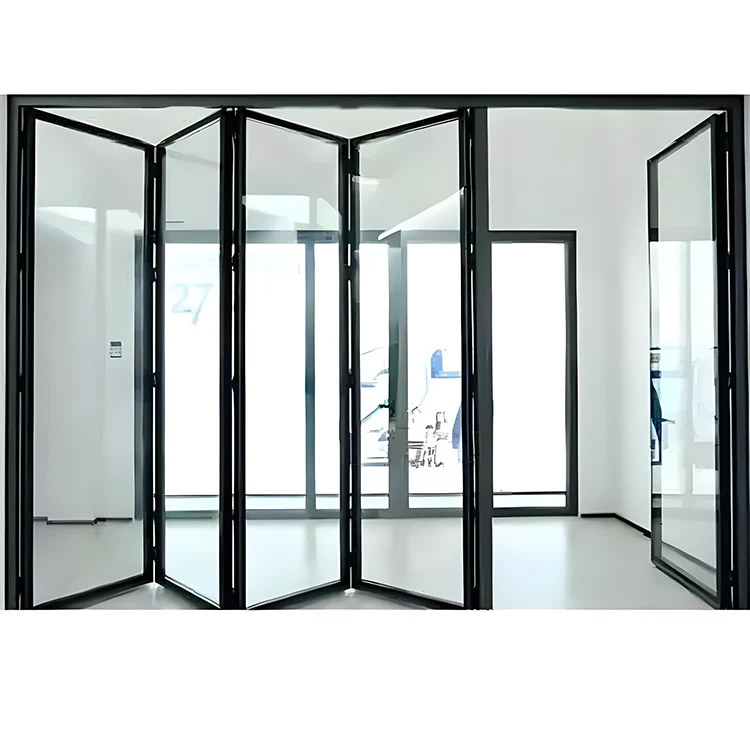
An Aluminum Folding Door, also known as a bi-fold door or accordion door, is a multi-panel glazing system that folds and stacks to one or both sides of an opening. Unlike sliding doors, which leave a single panel of glass in view, Folding Doors can clear the entire opening, creating a seamless transition between indoor and outdoor spaces. The system consists of a series of door panels connected by hinges. Each panel is mounted on a top-hung or bottom-supported track system, with the outer panel(s) functioning as the master panel that initiates the folding sequence. When opened, the panels compress into a compact stack, often occupying less than 30% of the opening width, maximizing the usable space. This innovative design has fundamentally changed how architects and designers approach the relationship between interior and exterior environments.


The shift toward Folding Doors in modern construction reflects a broader architectural movement: the erosion of boundaries between indoors and out. Contemporary homeowners and commercial developers are increasingly seeking designs that maximize natural light, promote ventilation, and create a sense of spatial continuity. A wall of Folding Doors achieves all of these objectives. It captures panoramic views, floods interiors with daylight, allows fresh air to circulate freely, and transforms a conventional room into a dynamic, multi-functional space. This concept has been embraced in a wide array of applications: from residential projects like villa extensions and city apartments to commercial spaces such as hotel lobbies, restaurants, and retail stores. The versatility of Folding Doors, combined with their architectural elegance, has made them a defining feature of the modern built environment.


Our factory has observed a significant trend: architects and specifiers are increasingly treating Folding Doors not as a secondary design element, but as a central feature. The selection of a Folding Door system influences the entire structural design, requiring careful consideration of the building's load-bearing capacity, thermal performance, and aesthetic expression. It is this integration of form and function that explains why Folding Doors have become an essential element in the vocabulary of modern architecture. The following section delves into the technical specifications that define a high-quality Folding Door system, providing the engineering foundation for the architectural possibilities.

Heavy-Duty Folding Door System


1.1 What Technical Specifications Define a High-Quality Folding Door?

To fully appreciate the performance of an Aluminum Folding Door, one must understand the technical parameters that determine its durability, energy efficiency, and functionality. These specifications are the language that engineers, architects, and installers use to communicate quality. A comprehensive understanding of these parameters is essential for selecting the right Folding Door system for a specific project, and they are the foundation upon which the aesthetic and functional performance of the door is built.


The following table provides a detailed breakdown of the key technical specifications for a high-quality Folding Door, based on our factory's engineering standards and industry best practices.

Specification Typical Value Impact on Performance
Profile Wall Thickness 1.8 - 2.5 mm Thicker profiles provide greater structural strength and resistance to wind loads.
Glass Type Double or Triple Glazing (5+12A+5 / 5+16A+5) Determines thermal and acoustic insulation; Low-E coating reduces heat transfer.
Hardware Material Stainless Steel (304 grade) Stainless steel provides corrosion resistance and long-term smooth operation.
Seal System Multi-lip EPDM or Silicone seals Multiple seals ensure air and water tightness, reducing drafts and condensation.
Maximum Panel Weight Capacity 80 - 120 kg per panel Determines the maximum size of each door panel; heavier panels require stronger hardware.
Wind Load Resistance Up to 2000 Pa (Class 8) Indicates the ability to withstand wind pressure; critical for high-rise and coastal installations.
Thermal Insulation (U-value) 1.4 - 2.0 W/m²K Lower U-value means better thermal insulation; important for energy efficiency.
Acoustic Insulation (Rw) Up to 35 dB Indicates sound reduction; critical for urban and high-traffic areas.
Maximum Opening Width Up to 10 meters (or more) Determines the maximum clear opening that can be achieved; depends on the number of panels.


Each of these specifications plays a crucial role in the overall performance of the Folding Door. The profile wall thickness, for instance, directly impacts the door's structural integrity. A thicker profile, such as 2.0mm compared to 1.2mm, provides significantly higher bending resistance, which is essential for large-span installations. The hardware material is equally important: stainless steel hardware, unlike zinc-alloy or brass alternatives, offers superior corrosion resistance, ensuring that the hinges and locking mechanisms operate smoothly for decades. The seal system is often overlooked, but it is the primary barrier against air and water infiltration. Advanced multi-lip EPDM seals, when correctly engineered, provide a virtually airtight barrier, reducing drafts and improving thermal performance.


Furthermore, the integration of a "thermal break" is a key specification in modern Folding Doors. Aluminum is a highly conductive material, so without a thermal break, the door frame would act as a thermal bridge, transferring heat between the interior and exterior. High-performance Folding Doors incorporate polyamide or polyurethane thermal breaks into the frame profile. This creates a barrier that significantly reduces the overall thermal transmittance (U-value). A door with a U-value of 1.4 W/m²K is more than twice as energy-efficient as a door with a U-value of 3.0 W/m²K. This thermal performance directly impacts the building's energy consumption and the comfort of its occupants, making it a critical specification for modern construction.


Our factory at KUXIANG utilizes a comprehensive quality assurance system to ensure that all our Folding Doors meet these stringent specifications. We test our products for air permeability, water resistance, and wind load resistance using the latest testing equipment. Each door system is designed with the specific climatic conditions of its target market in mind, ensuring that it performs reliably in everything from the humid, rainy conditions of Southeast Asia to the cold, snowy winters of Northern Europe. This commitment to engineering excellence is what makes our Folding Doors a trusted choice for architects and contractors worldwide.


2. How Does Space Optimization Drive the Popularity of Folding Doors?

In an era of rising urban density and ever-higher real estate costs, the efficient use of space has become a paramount concern for architects and homeowners. This is where the Aluminum Folding Door truly shines. Traditional doors, whether swinging or sliding, inevitably consume valuable floor or wall space. A hinged door swings into the room, potentially blocking furniture or floor space. A sliding door requires a fixed panel, which cannot be opened fully, and the portion of the wall behind the sliding panel is unusable. Folding Doors, by contrast, solve these spatial problems elegantly. When fully opened, the panels fold and stack neatly against one side of the opening. This 'cornering' capability means that the entire opening becomes a clear, unobstructed passage. The space that would have been occupied by a swinging door—typically 1.5 to 2 square meters—is reclaimed for actual use. In a small apartment, this can be the difference between a cramped room and a comfortable one.


Consider a typical city apartment with a small balcony. The owner wants to maximize the feeling of space and light, but the existing patio door, which swings inward, occupies a significant portion of the living area. By replacing it with a set of Aluminum Folding Doors, the owner transforms the entire space. The Folding Doors allow the apartment to extend visually and physically into the balcony area. When the doors are opened, the floor area of the living room feels substantially larger, and the boundary between indoors and outdoors is effectively erased. This principle is not limited to residential applications. In commercial settings, Folding Doors have been used to create flexible event spaces that can be opened to a terrace, or to divide a large room into smaller zones without sacrificing the ability to open the entire space for larger events. This adaptability is a key reason for the widespread adoption of Folding Doors.


The space-saving benefits of Folding Doors are more pronounced in smaller and more complex geometries. Unlike sliding doors, which often require a width of at least twice the opening, Folding Doors can be configured to work in relatively narrow openings. A two-panel folding door, for instance, occupies only half the width of the opening when folded, making it ideal for small rooms where every inch counts. The ability to stack panels to one side only, or to split the stack between two sides, offers additional layout flexibility, allowing the architect to optimize the flow and circulation of the space. This combination of flexibility and space efficiency is a key driver in the growing popularity of Folding Doors in modern construction.


Furthermore, the visual impact of a Folding Door cannot be overstated. The clean, uncluttered lines of a folded stack of glass panels create a minimalist aesthetic that aligns perfectly with contemporary design sensibilities. The lack of a fixed central stile (the vertical frame of a sliding door) allows for uninterrupted views, enhancing the perception of space and light. When opened, the Folding Doors create a sense of fluidity and openness that is difficult to achieve with any other door system. This aesthetic, combined with the practical space-saving benefits, is what makes Folding Doors a truly compelling architectural solution in modern construction.


3. Why Is Aluminum the Ideal Material for Folding Doors?

The choice of aluminum as the primary material for Folding Doors is not arbitrary. It is the result of a careful engineering evaluation of the requirements: a material that is strong but lightweight, durable but formable, and able to resist the effects of weather and time. Aluminum meets all of these criteria, and it brings additional advantages that make it a superior choice over alternatives like timber, steel, or PVC. For Folding Doors, which must support large expanses of glass and operate smoothly over thousands of cycles, material performance is paramount. Aluminum's unique combination of properties makes it the industry standard, and our factory has optimized its use in our Folding Door systems.


The first and most obvious advantage of aluminum is its strength-to-weight ratio. Aluminum is approximately one-third the density of steel, yet it can achieve similar strength when properly alloyed. This means that Aluminum Folding Doors can be designed with slim profiles, maximizing the glass area and the amount of natural light that enters a building. A slim aluminum profile, with a sight line as narrow as 40mm, provides a sleek, modern aesthetic that enhances rather than obstructs the view. The reduced weight also means that the door panels are easier to operate, and the hardware components (hinges, rollers, and tracks) experience lower stresses, extending their service life. Our factory uses high-strength aluminum alloys (typically 6063-T5 or 6063-T6) that are specifically selected for their excellent extrusion characteristics and high corrosion resistance.


Durability is another critical advantage of aluminum. Unlike wood, which can rot, warp, or crack, aluminum is inherently resistant to the elements. It does not absorb moisture, so it will not expand or contract with changes in humidity, ensuring a consistent fit and seal over the door's lifetime. Aluminum also exhibits excellent corrosion resistance, which can be further enhanced through surface treatments. In coastal environments, where salt spray can rapidly degrade other materials, Aluminum Folding Doors provide a long-lasting solution. Our factory applies a high-quality powder coating to all our Folding Door profiles, providing a durable, UV-resistant finish that maintains its appearance for years. Alternatively, anodized finishes can be applied to create a metallic look that is impervious to UV damage.


In contrast to aluminum, PVC profiles typically require steel reinforcement to achieve adequate strength, adding weight and complexity. Steel, while strong, is heavy and prone to corrosion unless properly coated and maintained. Wood requires regular painting or staining and is susceptible to moisture-related issues. Aluminum offers a balance of all the required properties: strength, light weight, corrosion resistance, and design flexibility. Additionally, aluminum is 100% recyclable, making it an environmentally responsible choice. The sustainability aspect is increasingly important in modern construction, where LEED and other green building certifications are highly valued. The use of aluminum in Folding Doors contributes to a lower environmental footprint, making it a material that is not only technically superior but also ethically sound.

Aluminum Folding Glass Door


4. How Do Aluminum Folding Doors Contribute to Energy Efficiency and Sustainability?

The energy performance of a building is a critical factor in its design and operation. Large glass installations can be a significant source of heat loss, but modern Folding Doors are engineered to be highly energy-efficient. The key to this performance lies in the combination of advanced aluminum extrusions with thermal break technology and high-performance glazing. Aluminum alone is a good conductor of heat, and without a thermal break, the aluminum frame could conduct heat from the interior to the exterior in winter, and vice versa in summer. To solve this problem, high-quality Aluminum Folding Doors incorporate polyamide thermal breaks into the frame profile. These are insulating strips made of a non-conductive material that act as a barrier, breaking the thermal bridge and significantly reducing the overall heat transfer coefficient, or U-value.


A low U-value is the most important indicator of a door's thermal performance. Our Folding Doors, with their multi-chamber designs and high-quality thermal breaks, can achieve U-values as low as 1.4 W/m²K, which is comparable to high-performance windows. This performance is made possible by the synergistic combination of the thermal break, the multi-chamber design of the aluminum profile, and the use of double or triple glazing with low-emissivity (Low-E) coatings. Low-E glass has a microscopically thin, transparent coating that reflects heat back into the room in winter and reflects solar radiation in summer, providing year-round energy savings. The result is a Folding Door that is as energy-efficient as a high-performance window, despite its larger glass surface area.


In addition to energy efficiency, aluminum itself is a highly sustainable material. It is 100% recyclable without any loss of its inherent properties. The energy required to recycle aluminum is only about 5% of the energy required to produce it from raw bauxite, making aluminum recycling a highly energy-efficient process. Our factory is committed to sustainable manufacturing practices, using recycled aluminum in our extrusions where possible and ensuring that our production waste is carefully collected and sent for recycling. This circular approach to material use is an important part of the broader sustainability of our Folding Door products. By choosing Aluminum Folding Doors, builders and homeowners are not only investing in their immediate comfort and energy savings but also contributing to a more sustainable built environment. This combination of energy efficiency and sustainability is a powerful driver in the growing adoption of Folding Doors in modern construction.


5. What Are the Latest Trends in Aluminum Folding Door Design?

The evolution of Folding Doors is not static; it is driven by design trends and advances in materials and technology. Today's market offers a diverse range of innovations that push the boundaries of what a Folding Door can achieve. One of the most significant trends is the move toward ever-slighter profiles. The desire for uninterrupted views has led to the development of Folding Doors with sight lines as narrow as 40mm, a considerable reduction from older designs. This is achieved through stronger aluminum alloys, allowing the structural load to be carried by a smaller cross-section. The result is a door system that appears almost entirely made of glass, maximizing the visual connection between indoor and outdoor spaces.


Another significant development is the integration of smart technology. Home automation systems are increasingly being integrated with Folding Doors. Motorized opening systems allow the doors to be controlled remotely, opening and closing at the touch of a button on a smartphone or through a central control panel. These motorized systems can be combined with smart sensors that automatically close the doors in the event of rain or high winds, protecting the interior from the elements. The convenience and enhanced security offered by these smart systems are becoming increasingly sought after, particularly in high-end residential and commercial projects. Our factory has developed a range of motorized Folding Door systems that can be seamlessly integrated with a variety of home automation protocols, offering our customers a high degree of control and convenience.


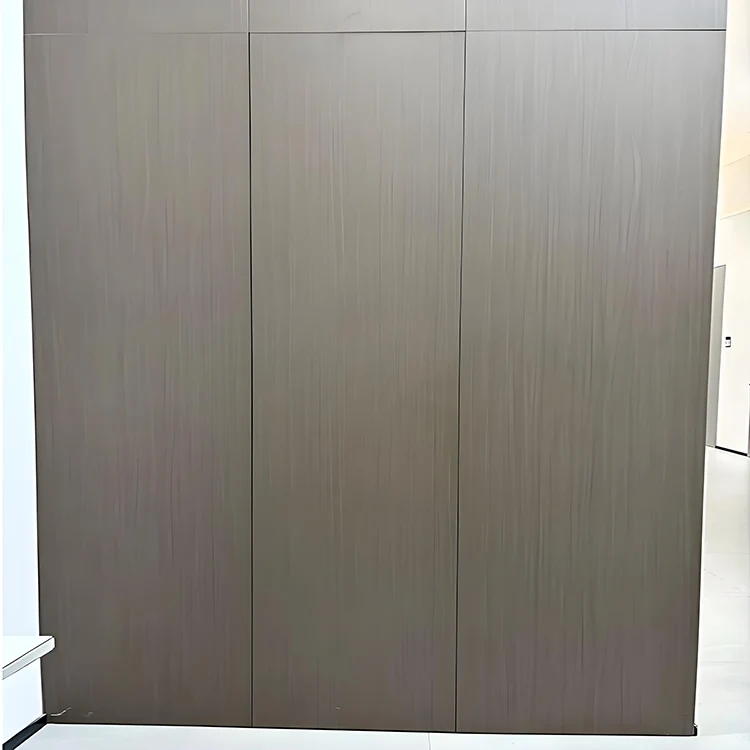
In addition to slim profiles and smart integration, color and surface finishes have become an essential element of Folding Door design. The ability to customize the appearance of the aluminum frame is a major advantage. A wide range of powder coating colors, from classic white and grey to metallic and wood-effect finishes, allows architects to precisely match the Folding Doors to the overall aesthetic of the building. Wood-effect finishes, in particular, have gained popularity as they combine the warmth of wood with the durability of aluminum. Our factory offers a comprehensive customization service, allowing our customers to choose from an extensive palette of colors and finishes for their Folding Doors. We also provide the option of dual-color finishes, where the interior and exterior of the door can be specified with different colors, further enhancing the design flexibility.


The future of Folding Doors is likely to see further developments in energy efficiency, structural performance, and automation. Larger panels, greater spans, and even more sophisticated control systems will become the norm. As the boundaries between architecture and engineering continue to blur, the Folding Door will remain at the forefront of innovation, providing architects and builders with the tools they need to create stunning, functional, and sustainable living and working spaces.


6. Frequently Asked Questions (FAQ)

Question 1: What is the maximum opening width that can be achieved with aluminum folding doors?

Answer: The maximum opening width depends on the number of panels and their individual dimensions. For most standard Folding Doors, a full opening of up to 8 to 10 meters is achievable with a typical panel arrangement, such as four or five panels. However, for specialized commercial applications, our factory can engineer Folding Door systems that open up to 15 meters or more. The ultimate limit is determined by structural engineering considerations, particularly the wind loading and the weight of the panels. The design is always tailored to the specific project requirements.


Question 2: Do aluminum folding doors require any regular maintenance?

Answer: Aluminum Folding Doors require minimal maintenance. The powder-coated or anodized aluminum frames are resistant to fading and corrosion. The main routine maintenance tasks involve lubricating the hinges, lock mechanisms, and roller bearings with a suitable silicone or light oil lubricant, typically once or twice a year. Additionally, the seals should be inspected and cleaned periodically to ensure they remain effective at excluding air and water. When maintained properly, our Folding Doors will continue to operate smoothly for many years.


Question 3: Can aluminum folding doors be installed in areas that are prone to high winds or storms?

Answer: Yes, Aluminum Folding Doors can be engineered to withstand high wind loads, including those experienced in storm-prone areas. The wind resistance is determined by the structural specifications, including the profile thickness, hardware, and the design of the frame fixing. Our Folding Doors are tested for wind load resistance and can achieve ratings of up to 2000 Pa (Class 8) or more, which is suitable for most coastal and high-rise installations. For locations with extreme weather conditions, we can provide higher-strength specifications. It is essential to ensure that the building's structural engineer has accounted for the wind loads when specifying the doors.


Question 4: Can aluminum folding doors be integrated with smart home systems?

Answer: Yes, our Folding Doors can be fully integrated with smart home systems. We offer motorized opening systems that can be controlled via a central automation hub, smartphone apps, or even voice commands. The motors can be integrated with home automation protocols such as Z-Wave or Wi-Fi. Sensors can also be integrated to automatically close the doors in response to rain or high winds, providing an extra level of security. This integration allows for remote control and monitoring, adding to the convenience and security of the property.


Question 5: How long does it take to manufacture and deliver a custom aluminum folding door?

Answer: The typical lead time for a custom Aluminum Folding Door is between 3 to 5 weeks from the time the order is confirmed and the final engineering is completed. This includes the time for design verification, manufacturing, finishing, and quality inspection. The exact timeline can vary depending on the complexity of the design, the chosen finish, and the current production schedule. Our factory is equipped with advanced, computer-controlled machinery that allows for efficient production, and we maintain a just-in-time manufacturing system to ensure that we can meet our customers' delivery requirements.


7. About Foshan Cool Enjoy Times Building Materials Technology Co., Ltd.

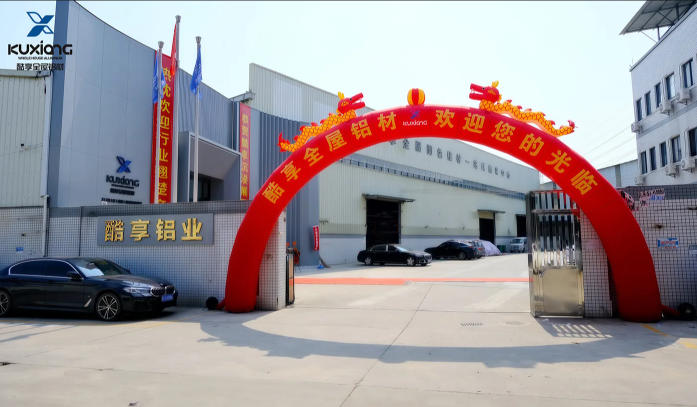
Foshan Cool Enjoy Times Building Materials Technology Co., Ltd. is a leading manufacturer specializing in R&D, production, and sales of aluminum home materials and accessories. With branch factories exceeding 100,000 square meters, the company operates a complete supply chain from aluminum extrusion and spray painting to finished product assembly. Our comprehensive product range includes Interior Doors, Cabinet Systems, and Folding Doors, all designed with a focus on durable performance, stylish aesthetics, and flexible applications. Guided by the philosophy of "surviving on quality and developing through reputation," we adhere to the principles of "customer first, development and innovation, integrity, and pragmatism." We are committed to building the most customer-valued enterprise in the aluminum materials industry, pursuing a design vision of "environmental protection, fashion, light luxury, and leadership." With a strong focus on talent development, we strive to be a reliable partner, escorting our customers toward a better tomorrow.

about us


8. Conclusion

The rise of Aluminum Folding Doors in modern construction is a clear indicator of how architectural values are evolving. The desire for open, light-filled, and flexible living spaces has driven the demand for innovative solutions, and Folding Doors meet this demand with exceptional performance. Their ability to maximize space, seamlessly connect interior and exterior environments, and provide high levels of energy efficiency and durability makes them an indispensable element of contemporary architecture. As design trends continue to push the boundaries of what is possible, Aluminum Folding Doors will undoubtedly remain at the forefront of this evolution.


If you are an architect, a builder, or a homeowner looking to incorporate this transformative product into your project, we invite you to explore our comprehensive range of Folding Doors. Our team of experts is ready to provide technical guidance, customization support, and a seamless procurement process. Contact Foshan Cool Enjoy Times Building Materials Technology Co., Ltd. today to discuss your project needs and discover how our Folding Doors can help you create the space you envision.

Related News
Leave me a message
X
We use cookies to offer you a better browsing experience, analyze site traffic and personalize content. By using this site, you agree to our use of cookies.Privacy Policy
RejectAccept